
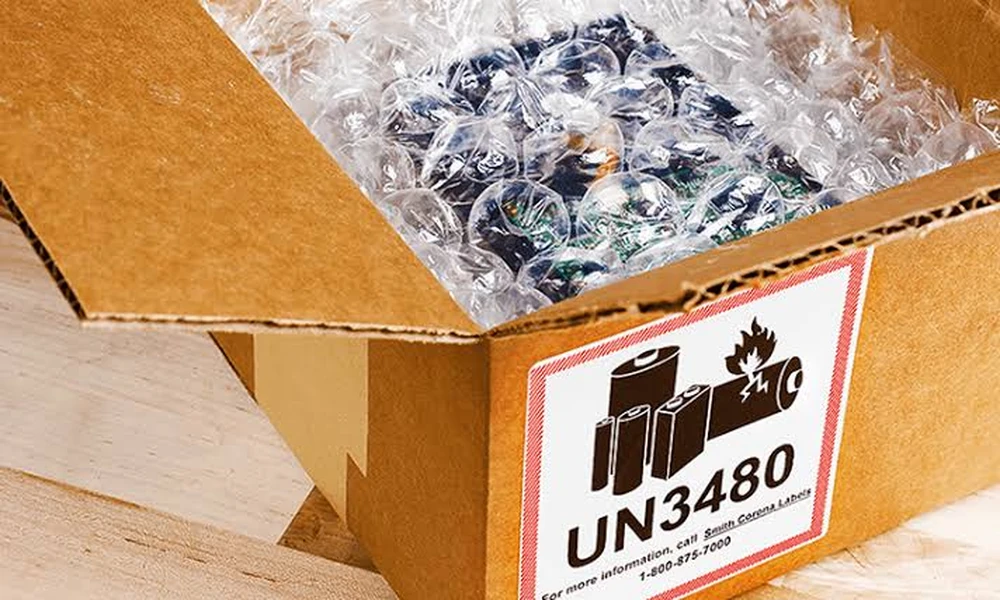
Lithium batteries power phones, laptops, tools, and e‑bikes. They are also classed as dangerous goods for transport, because damaged or poorly packed cells can overheat or catch fire.
Every shipment needs the correct lithium battery un number. People searching this topic usually want to know which number applies to their goods and what that means for packing and paperwork.
Choosing the wrong number can lead to rejected shipments, delays, fines, and real safety risks.
Three Questions Decide the Number
You do not need to memorise regulations. You only need to answer three questions about your battery.
· Is it lithium ion or lithium metal?
· Is it shipped alone, packed with equipment, or contained in equipment?
· How large is it, in watt-hours or lithium content?
· Do you have a UN 38.3 test summary from the manufacturer?
· Is the battery new, used, damaged, or recalled?
The Four Main Numbers
| UN Number | Battery Type | How It Ships |
|---|---|---|
| UN3480 | Lithium ion | Batteries alone |
| UN3481 | Lithium ion | Packed with or contained in equipment |
| UN3090 | Lithium metal | Batteries alone |
| UN3091 | Lithium metal | Packed with or contained in equipment |
Identifying the Chemistry
Rechargeable batteries in phones, laptops, and power tools are usually lithium-ion. Non-rechargeable coin cells and many small primary batteries are lithium metal.
Check the label or the manufacturer’s data sheet. The difficulty is poor labelling, especially on cheaper imported products.
Identifying the Configuration
A spare battery or power bank shipped by itself is “alone”, so it falls under UN3480. A laptop boxed with a spare battery is “packed with equipment”. A phone with its battery inside is “contained in equipment”.
Choosing the right lithium battery un number depends heavily on this step. A common mistake is treating a power bank as equipment. It is a battery.
Checking Size and State of Charge
Watt-hours equal volts multiplied by amp-hours. Lithium-ion batteries at or under 100 Wh may qualify for simpler rules in some cases.
For air transport, UN3480 batteries must be shipped at no more than 30 percent state of charge. They are also forbidden on passenger aircraft and travel on cargo aircraft only. Rules on charge levels have been tightening, so check the current IATA Dangerous Goods Regulations.
A Step by Step Shipping Plan
· Confirm the chemistry from the label or data sheet.
· Decide whether it is packed with or contained in.
· Calculate the watt-hours.
· Get the UN 38.3 test summary.
· Apply the correct lithium battery mark and labels.
· Check your carrier’s specific requirements and account approvals.
Where Shippers Go Wrong
Common errors include using UN3481 for loose spare batteries, missing the lithium battery mark, and shipping damaged batteries under standard rules.
Rules also change. Carriers may add restrictions beyond the regulations, especially for air freight.
Getting It Right Every Time
Create a simple internal checklist for each product you sell. Review it when regulations update each year. Consistent records make every future shipment faster.
Frequently Asked Questions
· Can power banks be shipped by air? Often only under strict conditions, and sometimes only on cargo aircraft.
· What is UN 38.3? A UN test standard that lithium battery designs must pass.
· Do I need dangerous goods training? Often yes, especially for fully regulated shipments.
· Can damaged batteries be shipped? Only under special rules, and many carriers refuse them.
· Does my carrier need to approve me? Many express carriers require dangerous goods approval on your account.
No shipping process is fool proof. Answering the same three questions for every battery solves most problems. Check, label, and document carefully each time. Consistent habits matter more than memorising every rule.